
Strengths
- Clean, renewable energy from a highly consistent ocean current
- High capacity factor (70–80%)
- Low visual impact — turbines sit underwater
- Job creation and local economic development
September 2026 · Duncan Clements, Founder
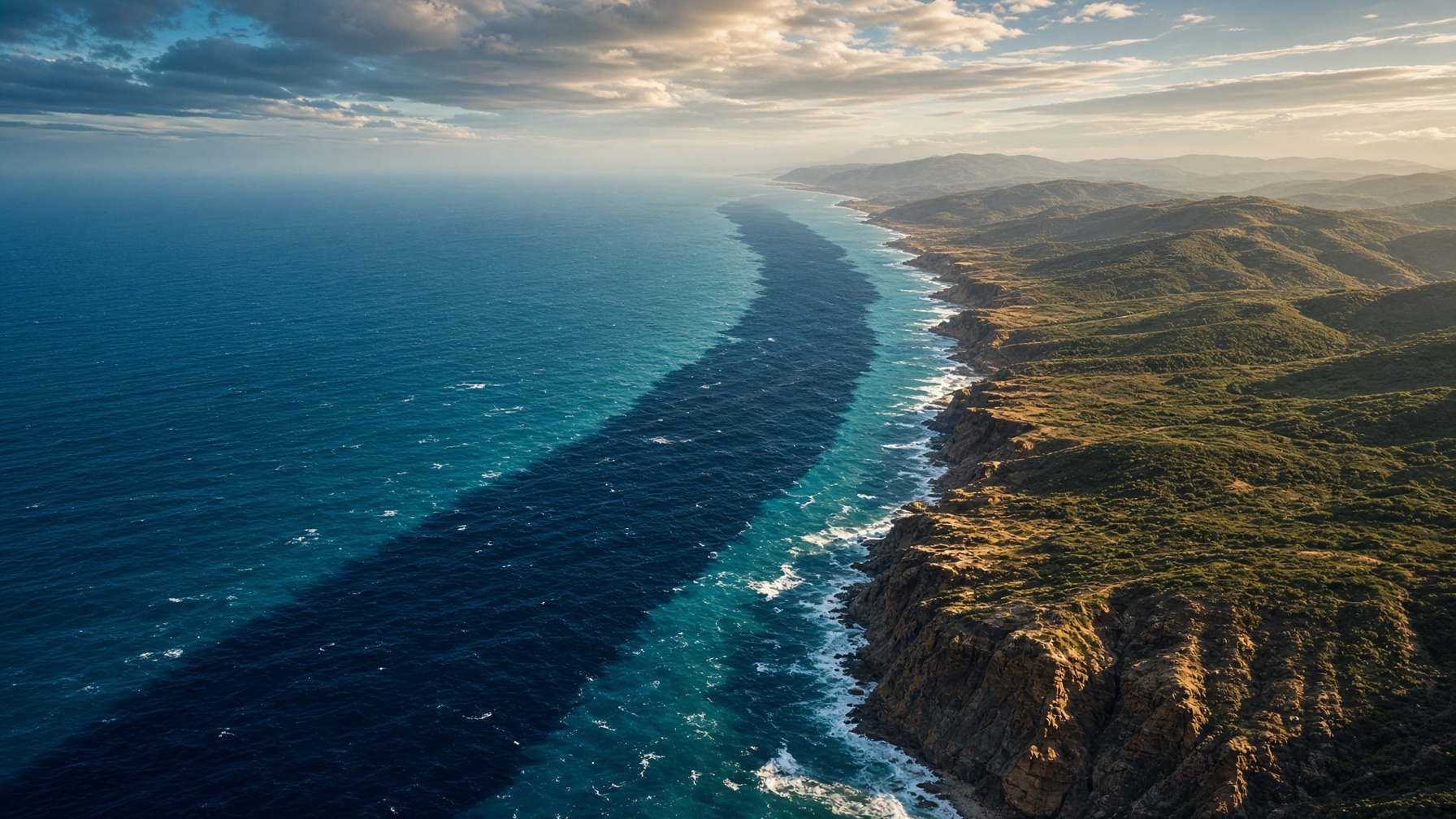
Agulhas Current Energy harvests a highly consistent ocean current — one of the world’s strongest — for clean power, independent of wind or sun.
Introduction
South Africa is currently experiencing an energy crisis, with loadshedding and an aging coal fleet threatening economic growth.
Renewable energy sources like solar and wind are being implemented, but they are intermittent and require expensive storage solutions.
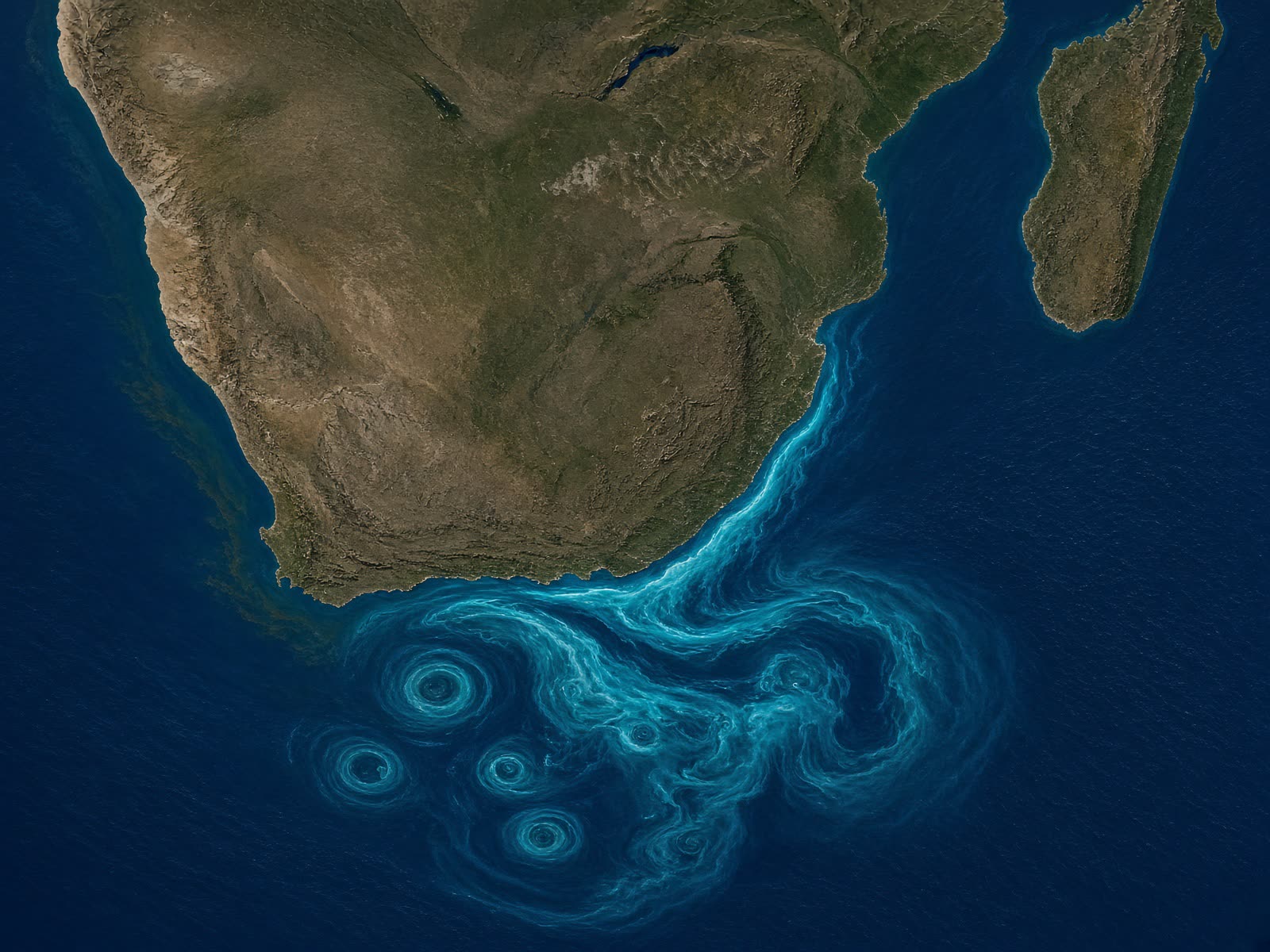
The Agulhas Current, one of the world’s strongest ocean currents, presents a unique opportunity to generate clean, reliable power from a highly consistent ocean current.
This site sets out the case for Agulhas Current Energy (ACE) as a sustainable contribution to South Africa’s power mix.
The Agulhas Current
Second only to the Gulf Stream, the Agulhas Current carries 70–80 million cubic metres of water every second. We call it — and the Gulf Stream and Kuroshio — a western boundary current because it rides the western boundary of the ocean. Western boundary currents are narrow, deep and fast. Eastern boundary currents are slow and broad.
Western
Narrow, deep and fast — Agulhas, Gulf Stream, Kuroshio.
Eastern
Slow and broad.
Agulhas Current Energy
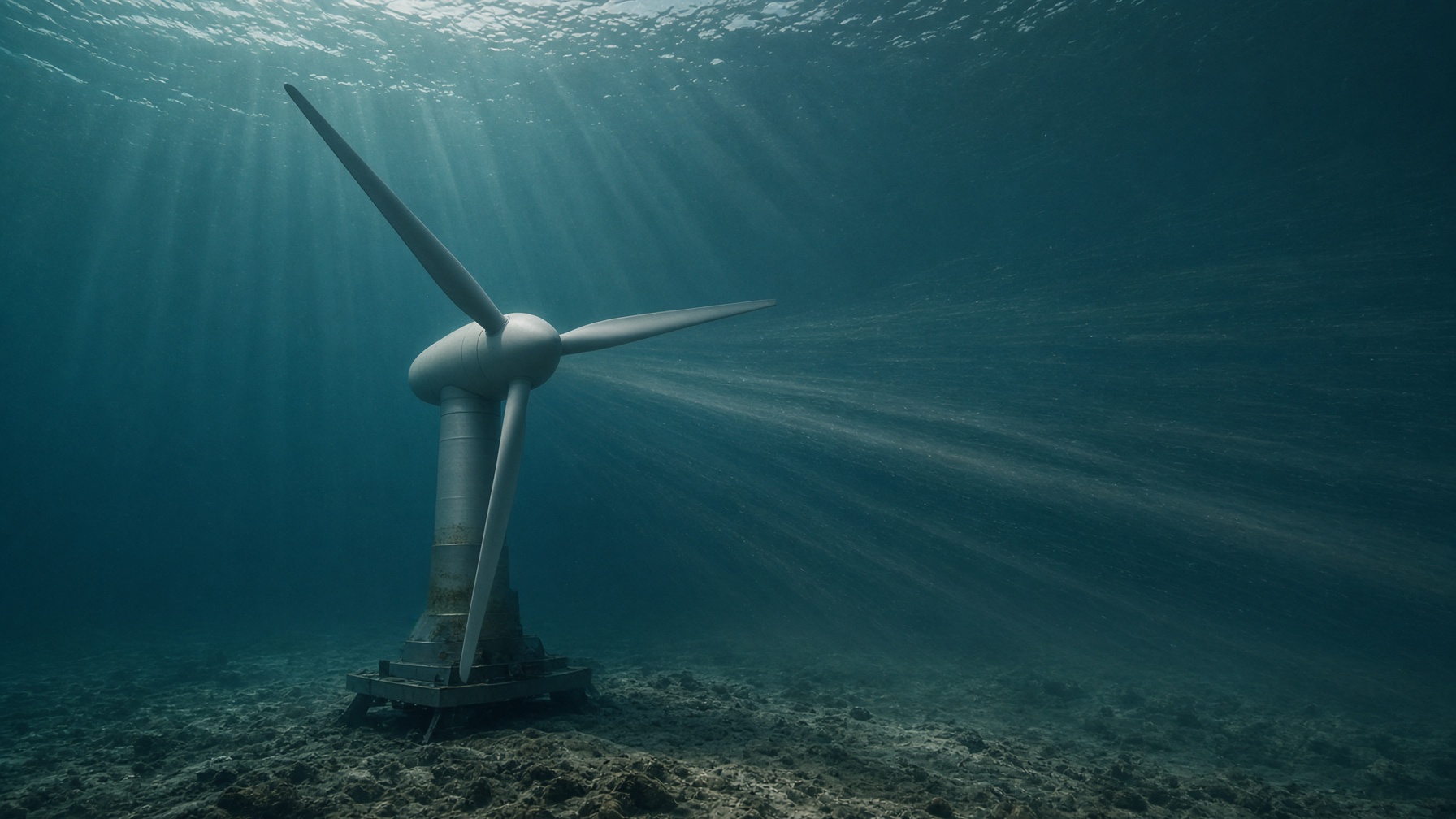
By deploying underwater turbines in the Agulhas Current, ACE generates electricity from a highly consistent ocean current. Unlike wind and solar, this energy is not dependent on weather. The machines are cousins of tidal turbines — with a consistent flow, they offer a much higher capacity factor, estimated at 70–80%.
1 MW turbine
Up to 85 suburban homes — about 12 kW per home.
Tens of GW
Potential large enough to meet a significant share of national demand.
Operating reality
Natal Pulses are large-scale meanders in the Agulhas Current. They can shift the flow offshore and pause generation for a short period.
Strategic positioning
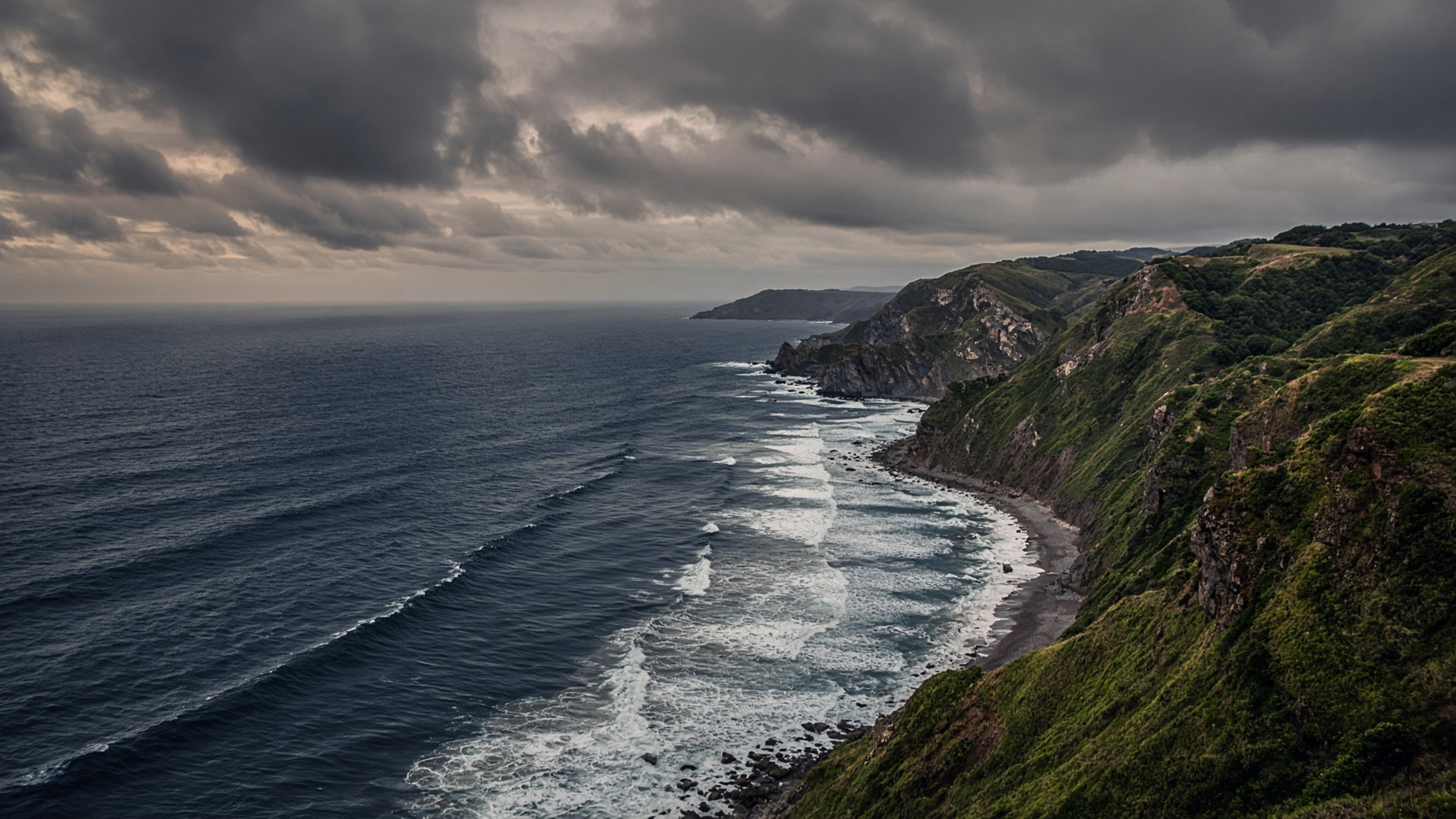
The optimal deployment band sits roughly 10–20 km off the east coast of South Africa, with access to existing grid infrastructure.
ACE would follow a phased path: a small-scale demonstration — around 10 MW — to prove the technology in these waters, then commercial-scale arrays. The work creates jobs, can stimulate local manufacturing, and adds to national energy security.
10–20 km offshore
Current core within reach of the shelf and the grid.
10 MW demonstration
Prove the machines in Agulhas conditions before scale-up.
Then commercial arrays
Build out once the resource and operations are de-risked.
S.W.O.T.
Direct line
Founder, Agulhas Current Energy. For briefings, partnership discussions, and the 10 MW demonstration programme.